
When the Romanian pilot (RoFLEX) team presented its pilot findings to the Romanian Chamber of Deputies’ Environment Committee in June 2026, legislators wanted to know exactly what needed to change and where in Romanian law to improve collection, sorting and recycling of flexible packaging.
In October, RoFLEX partners returned with ten proposed measures and a suggested timetable for putting them into practice.
The discussion took place in Bihor County, where Romanian legislators and ministry officials joined RoFLEX partners to visit collection, sorting and recycling operations and project partners, before sitting down to review the proposed reforms.
Participants included Adrian Giurgiu and Glad Varga, who chair the environment committees of the Chamber of Deputies and Senate respectively, and Cecilia Martin, a director at the Ministry of Environment, Waters and Forests. As well as local officials from Bihor and Arad counties.
The case for change, seen in person
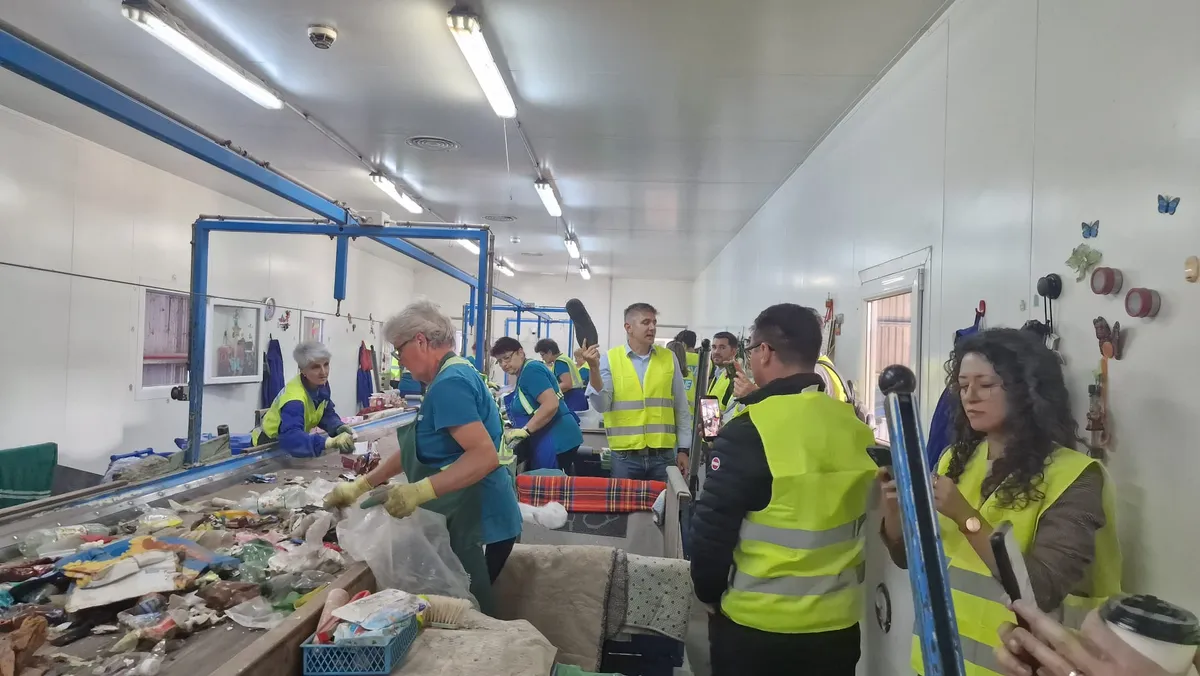
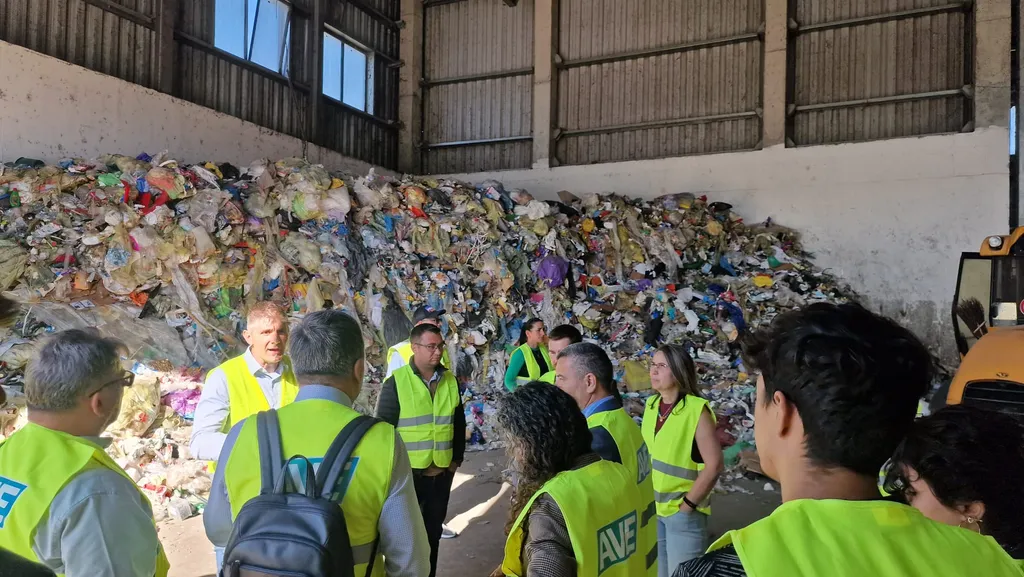 The visits to the Marghita sorting station and Sălacea flexible film recycling plant showed some of the practical difficulties Romania faces in recovering more flexible packaging.
At Marghita, the limits of manual sorting were clear. A trained operator can sort around six tonnes of the target flexible packaging materials a year. Recovering just half of the estimated 104,000 tonnes discarded annually by Romanian households would require more than 8,600 people working at that rate. A strong argument for automation if ever.
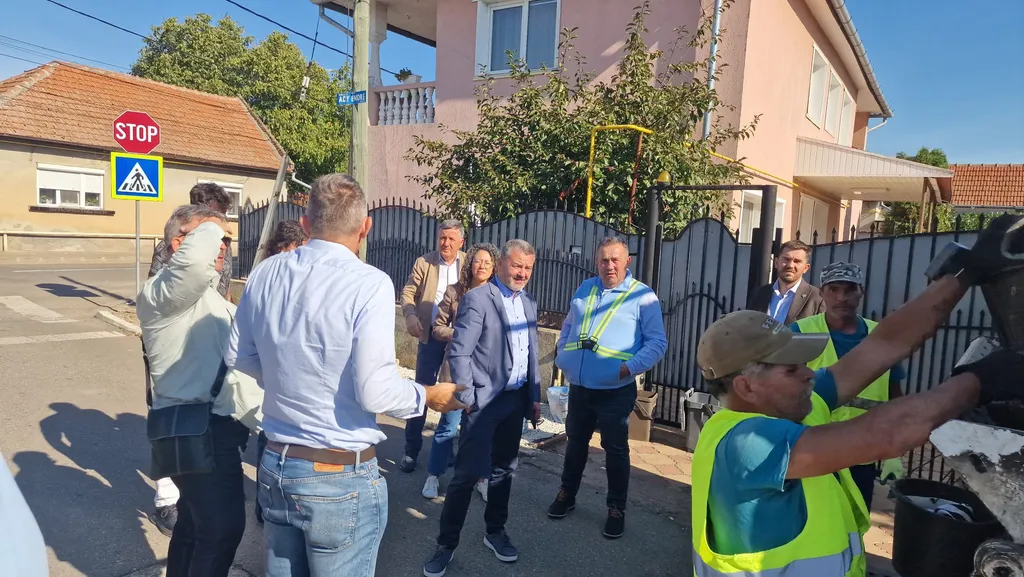
At Sălacea, participants witnessed how separate collection happens out on the streets in a role model municipality dividing into five fractions. Then, at Salacea Recycling facility, the plant manager described how difficult it is to make recycling household flexible packaging pay. Getting material to a recycler is only part of the job. Its quality, the costs of processing it and the price of the resulting recyclate all matter. These are familiar problems, but the visits gave legislators a chance to see them first-hand and discuss what could be done about them.
Ten measures to improve performance
RoFLEX proposes changes to Romania’s packaging waste legislation overall, rather than a separate law for flexible packaging. The intention is to improve how collection, sorting and recycling work together, using flexible packaging as a first test of the approach. Seven measures are proposed as priorities.
One of the biggest changes would be a pay-as-you-throw real charging mechanism. Then, a statutory clearing house to coordinate funding from Romania’s current 14 EPR organisations through a single interface with municipalities. This would replace fragmented contracting arrangements while leaving municipalities responsible for waste services.
The package also proposes changing how operators are paid. Collection payments would increase for cleaner material and fall when contamination exceeds agreed limits. Sorting centres would be paid for verified outputs meeting recycling specifications, rather than tonnes received.
A phased landfill contribution and stronger enforcement would help discourage disposal and illegal dumping.
One of the key measures RoFLEX also proposes is regional automated sorting hubs, handling enough material to justify investment in optical sorting equipment and improve the recovery of recyclable packaging.
Collection objectives under PPWR Article 49 would be prepared during 2027 and 2028, becoming binding from January 2029.
Three further measures, covering EPR fee structures, eco-modulation and reporting, would follow when the corresponding EU rules apply.
From proposals to implementation
 The proposed timetable calls for agreement on the priority measures, with primary legislation targeted for the first half of 2027. With an ambitious timeline, the clearing house could begin operating in 2028, followed by binding collection objectives in January 2029.
Romanian brand owners, EPR organisations and the association of municipalities have been asked to lead the next stage of discussions; and a first follow-up meeting with government representatives has already taken place, with proposals expected to return to legislators.
The Ministry of Environment, Waters and Forests has also commented publicly on the findings. Following the visit, it identified insufficient separate collection, contamination, limited automated sorting and unreliable material flows as major obstacles.
As the Ministry put it in a social media post reporting on the day’s visits and discussions: “Design for recycling is essential, but not sufficient.” It also recognised RoFLEX’s contribution in providing real unique data – the first of its kind in the country – to help move from pilot projects towards a functioning national system.
What happens next and key ingredients for change?
The next step is to turn the proposals into decisions, legislation and investment. That will take further work and agreement between organisations with different responsibilities and interests.
The involvement of legislators from both parliamentary chambers, the ministry and partners across the value chain is encouraging. So is the willingness to discuss specific changes rather than simply acknowledge the problems.
CEFLEX would like to thank and acknowledge the operators of the Marghita sorting station and Sălacea recycling plant, the partners who organised the visit, and the legislators and ministry officials who took part. Coming together with the evidence in plain, shared sight is a powerful catalyst.
Many of the issues RoFLEX has identified also arise elsewhere in central and eastern Europe. How EPR funding is organised, the quality of separately collected material, the economics of sorting and the investment needed to improve performance are all familiar challenges.
RoFLEX has worked to identify what isn’t working, brought a new coalition of the willing together and run proof of concept pilots generating data and insights. As of today, it has put forward ten measures, with responsibilities and a timetable for action. The next phase and challenge is whether these can be agreed and put into practice.
Contact: Marius Tent, marius@ceflex.eu